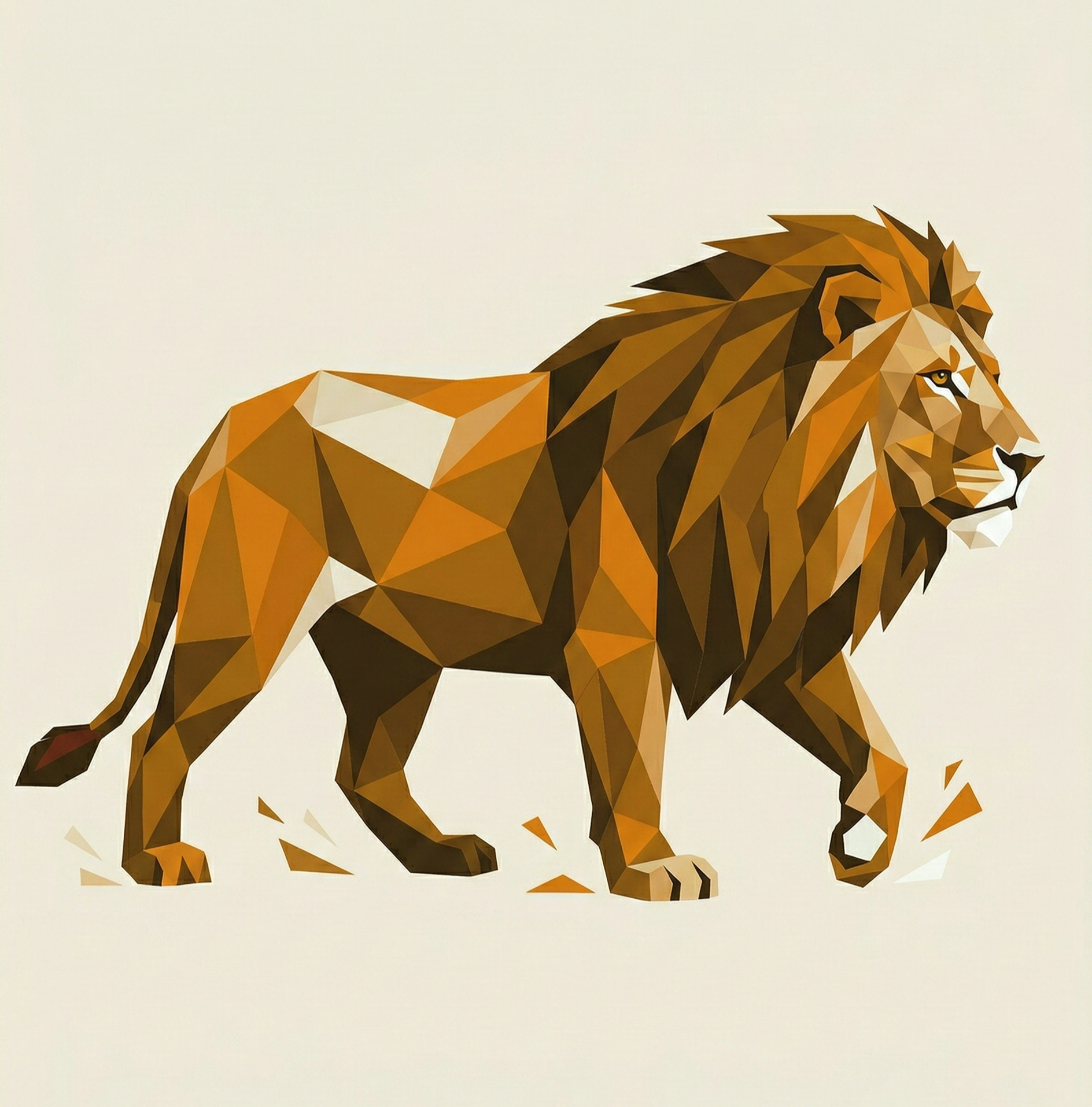
Lion
The driven early bird — 15% of the population
Natural Wake
5:00 – 6:30 AM
Peak Hours
5:00 – 10:00 AM
Natural Bedtime
9:00 – 10:30 PM
Lions are the high achievers of the chronotype world. They wake before dawn feeling energized and hit peak cognitive performance in the early morning hours. By evening they fade quickly — social events past 9pm feel like a chore. Their biggest risk is burning out by pushing too hard in the morning without adequate rest.
Lions work best with: early morning deep work blocks, exercise before 8am, social commitments before 7pm.

Bear
The sociable middle ground — 50% of the population
Natural Wake
7:00 – 8:00 AM
Peak Hours
10:00 AM – 2:00 PM
Natural Bedtime
10:30 – 11:30 PM
Bears follow the solar cycle most closely. They represent the majority of the population and are the reason the 9-5 workday was designed the way it is. They're sociable, good-natured, and hit their stride mid-morning. The afternoon slump around 2-3pm is very real for Bears and is a biological certainty, not a caffeine deficiency.
Bears work best with: morning meetings, deep work 10am–12pm, light work after 3pm, consistent bedtimes.
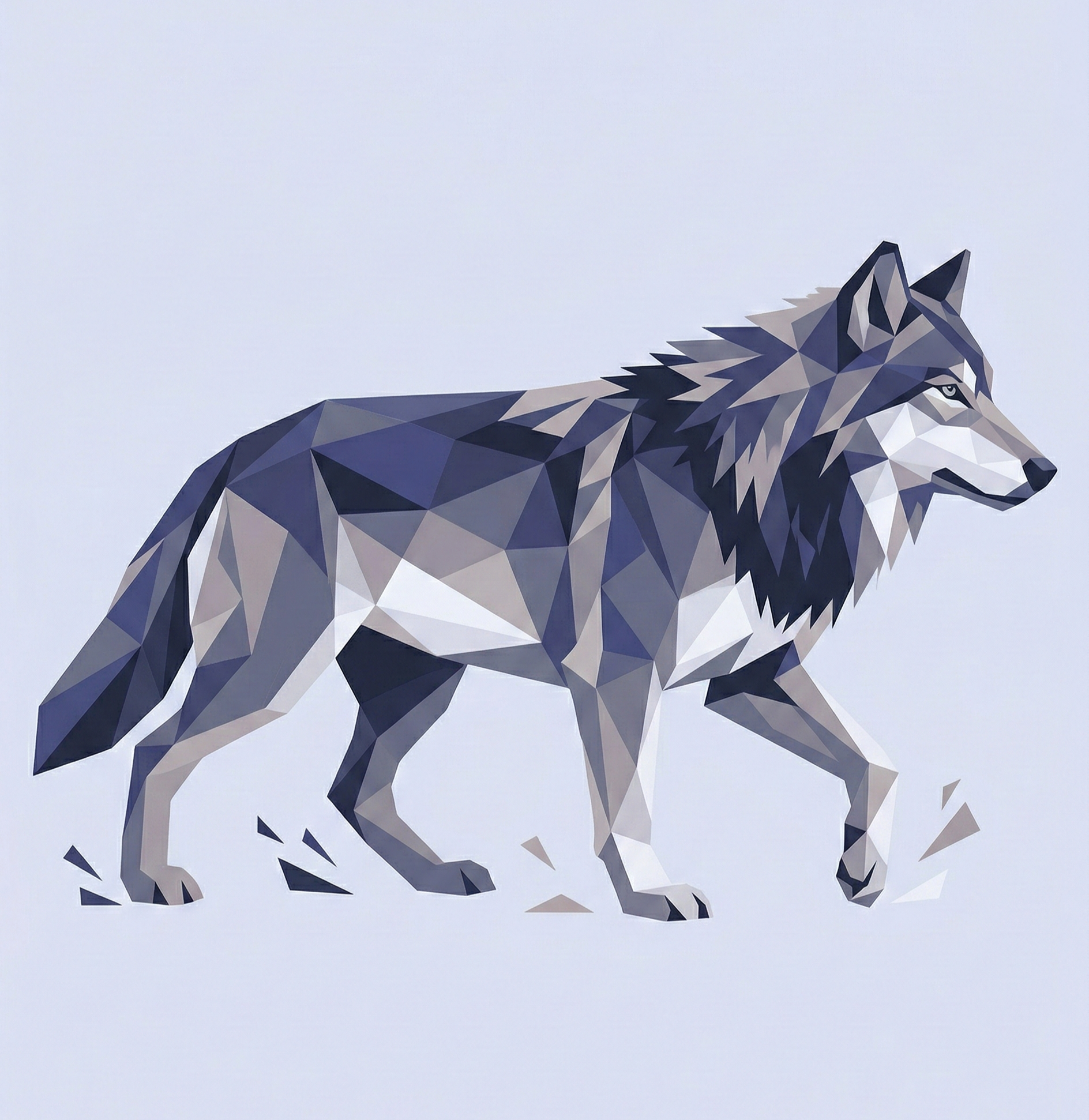
Wolf
The creative night thinker — 15% of the population
Natural Wake
8:00 – 9:30 AM
Peak Hours
7:00 PM – 12:00 AM
Natural Bedtime
12:00 – 1:30 AM
Wolves are the creative night owls who come alive after dark. Their peak cognitive hours are in the evening — they do their best thinking, writing, and problem-solving when the rest of the world is winding down. Forced into 9-5 schedules, Wolves operate in a constant state of social jet lag, which takes a measurable toll on their health over time.
Wolves work best with: delayed start times, creative work after 5pm, avoiding early morning obligations.
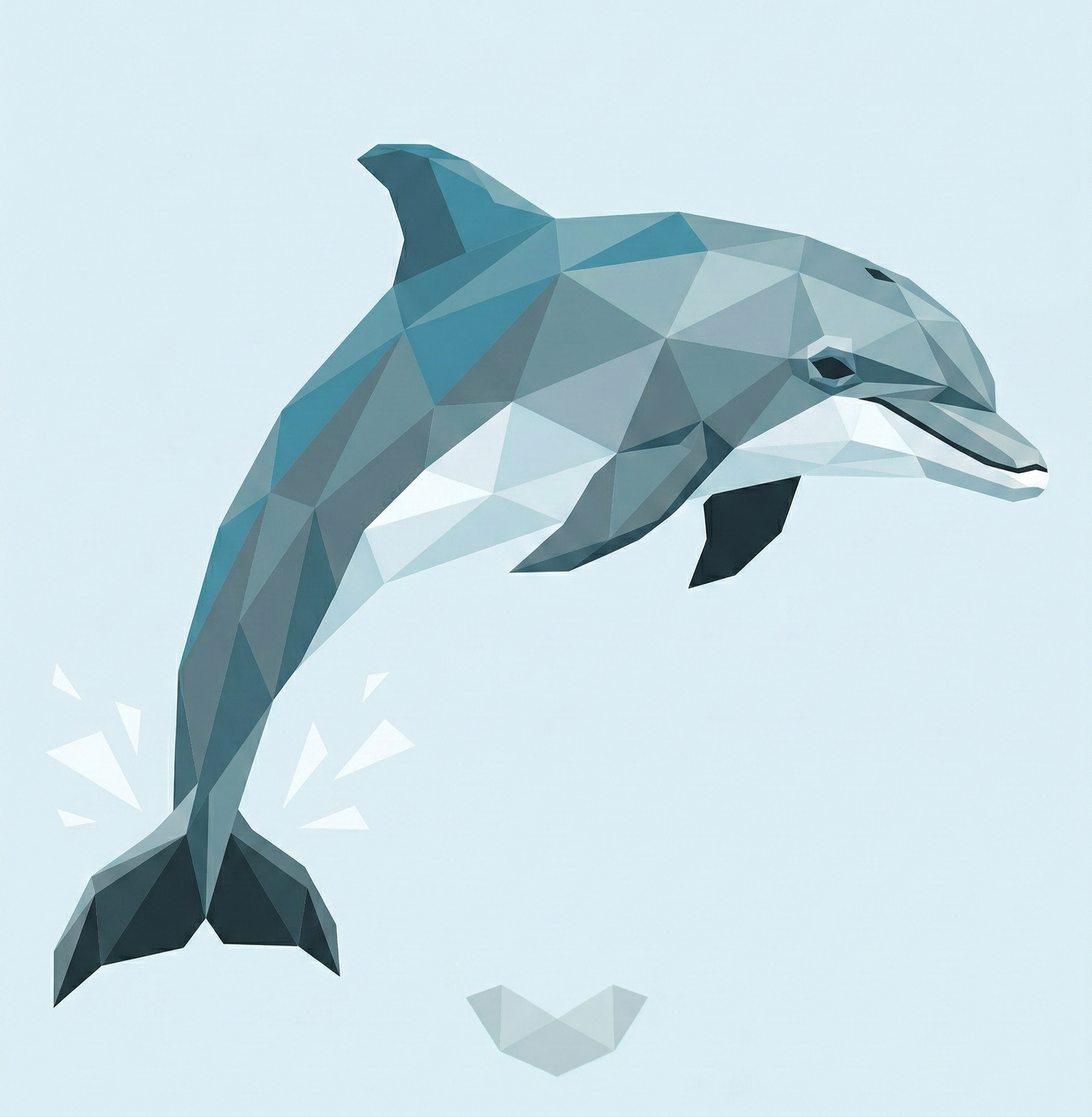
Dolphin
The alert insomniac — 10% of the population
Natural Wake
Irregular
Peak Hours
10:00 AM – 2:00 PM
Natural Bedtime
Midnight – 1:00 AM
Dolphins are light, fitful sleepers who rarely feel fully rested. Named after dolphins who sleep with one hemisphere at a time to stay alert to danger, this type tends to be highly intelligent, anxious, and detail-oriented. They struggle with consistent sleep timing and often experience racing thoughts at bedtime. Their best cognitive window is a narrow mid-morning peak.
Dolphins work best with: strict sleep hygiene, consistent wind-down routines, avoiding screens 2 hours before bed.